
How Elite Athletes Thrive on Plant-Based Diets
In recent years, there has been a significant shift in how professional athletes approach nutrition, with many turning to plant-based diets to enhance their performance, recovery, and overall health. This article explores the journeys of elite athletes across various sports who have embraced plant-based eating and the impact it has had on their professional and personal lives.
Lewis Hamilton: Speed Meets Sustainability
Lewis Hamilton, the British Formula One racing driver, has had an illustrious career marked by numerous victories and records, making him one of the greatest Formula One drivers in history. His shift to a plant-based diet in 2017 was driven by a variety of factors including ethical concerns, environmental considerations, and health benefits. Here are some key details about how his diet has played a role in his performance, particularly considering his age:
Age and Performance
Lewis Hamilton was born on January 7, 1985, making him one of the more seasoned drivers on the Formula One grid as he competes into his mid-thirties and beyond—a stage when many drivers might see a decline in performance due to the physical demands of the sport. Despite this, Hamilton has maintained top form and continues to compete at an exceptionally high level. His plant-based diet is a significant factor in his sustained physical condition and mental sharpness.

Impact of the Plant-Based Diet
- Sustained Energy and Recovery: Hamilton has mentioned in various interviews that switching to a vegan diet helped him feel fresher and fitter than ever. This is particularly important in a sport that requires quick reflexes and sustained concentration during long races. The plant-based diet, rich in fruits, vegetables, and whole grains, provides high levels of antioxidants and nutrients which are crucial for fast recovery and sustained energy output.
- Reduced Inflammation: One of the benefits Hamilton has cited is the reduction in inflammation. This is crucial for any athlete, but especially in Formula One, where the physical toll of high speeds and g-forces can be punishing. A diet high in plant-based foods reduces inflammation, helping to mitigate joint pain and muscle soreness, which can accelerate recovery times between races.
- Weight Management: Maintaining an optimal weight is critical for racing drivers to ensure peak performance. Plant-based diets are often lower in calories and saturated fats compared to diets that include meat and dairy, which helps in maintaining a healthy body weight without losing muscle mass.
- Longevity and Late-Career Performance: Hamilton’s plant-based diet is not just about maintaining current performance but also extending his career longevity. By reducing his exposure to potential dietary contributors to chronic diseases and enhancing his recovery processes, he’s positioning himself to compete effectively against younger drivers, which is essential in a physically demanding sport like Formula One.
- Environmental and Ethical Motivation: Beyond personal health, Hamilton’s switch to a plant-based diet aligns with his broader concerns about animal welfare and the environmental impact of meat consumption. This ethical commitment has also played a role in maintaining his motivation and psychological well-being, which are vital components of athletic performance.
Venus Williams: Serving Up Plant Power
Venus Williams, one of the most accomplished tennis players in the history of the sport, adopted a plant-based diet in 2011 after being diagnosed with Sjögren’s syndrome, an autoimmune disease that causes fatigue and joint pain. Her dietary shift has been a significant factor in managing her symptoms and maintaining her competitive edge in professional tennis, especially as she navigates the challenges associated with both her health condition and her age.
Age and Performance
Born on June 17, 1980, Venus Williams has enjoyed a long and successful career in a sport that demands high levels of physical fitness and mental stamina. As she competes into her late 30s and 40s—a time when many professional athletes might consider retirement—her plant-based diet has played a crucial role in her ability to remain at the top of her game.

Impact of the Plant-Based Diet
- Management of Sjögren’s Symptoms: For Venus, the primary motivation for switching to a plant-based diet was to alleviate the symptoms of Sjögren’s syndrome. The diet helps reduce inflammation, a key factor in managing autoimmune conditions. This reduction in inflammation can lead to decreased pain and stiffness, allowing for better mobility and endurance during matches.
- Improved Energy Levels: Venus has noted that adopting a plant-based diet has resulted in higher energy levels, which is essential for enduring long matches and recovering quickly between tournaments. The natural, nutrient-rich foods typical of a plant-based diet are easier for the body to process, leading to more consistent energy provision.
- Enhanced Recovery: The antioxidants found in a plant-based diet can help speed up recovery by reducing oxidative stress and muscle fatigue. This is critical for Venus, given the rigorous schedule of training and tournaments she participates in. Faster recovery means less downtime and more effective training sessions.
- Sustained Physical Form: Maintaining an optimal physical form is crucial for any athlete, and for Venus, being on a plant-based diet helps her manage her weight and stay lean and strong without sacrificing muscle strength. This is particularly beneficial in tennis, where agility and speed are as important as raw power.
- Longevity in the Sport: Venus’s diet has been integral in extending her career in the competitive world of tennis. By avoiding foods that can exacerbate her health issues and focusing on those that promote good health, she has been able to compete effectively against much younger players, showcasing her skills and experience on the court.
- Psychological Benefits: Besides the physical benefits, the psychological boost from knowing she is taking proactive steps to manage her health and uphold her ethical values (regarding animal welfare and environmental concerns) contributes positively to her mental health and game-day focus.
Novak Djokovic: Acing Nutrition and Performance
Novak Djokovic, one of the world’s premier tennis players, has openly attributed much of his on-court success to his dietary choices, which prominently feature plant-based foods. His shift towards a plant-centric diet was primarily motivated by his struggles with health issues early in his career, which included frequent bouts of fatigue and poor recovery. Identifying and eliminating dietary triggers played a crucial role in transforming his health and performance.
Age and Performance
Born on May 22, 1987, Djokovic entered the elite ranks of tennis in the mid-2000s and has maintained his top-tier status well into his 30s, an age when many professional athletes begin to experience a decline. His rigorous attention to diet and nutrition has been a key factor in prolonging his peak competitive years.

Impact of the Plant-Based Diet
- Optimised Digestion and Health: Djokovic discovered through medical consultation that he was sensitive to gluten and dairy. Removing these from his diet, alongside reducing his meat intake, significantly improved his gastrointestinal health, which is crucial for overall wellness and optimal athletic performance. Better digestion means more efficient nutrient uptake and less energy expended on digestion, which can be redirected towards performance and recovery.
- Enhanced Endurance and Recovery: The anti-inflammatory properties of a plant-based diet have been critical for Djokovic. Foods rich in antioxidants help reduce systemic inflammation, allowing for quicker recovery from the physical stress of long matches and gruelling tournaments. This is particularly important in tennis, where the season is long and recovery periods between matches can be short.
- Stable Energy Levels: Djokovic’s diet is high in complex carbohydrates, healthy fats, and proteins from plant sources, which provide sustained energy release. This is vital for enduring not just the length of a match, which can sometimes last for several hours, but also the duration of a tournament.
- Mental Clarity and Focus: Mental toughness and focus are essential in tennis. Djokovic has noted that his diet helps maintain his mental clarity throughout matches. The high levels of nutrients like magnesium and omega-3 fatty acids, which are beneficial for brain health and cognitive function, support his concentration and decision-making under pressure.
- Weight Management: Maintaining an ideal weight for agility and speed is crucial in tennis. A plant-based diet is generally lower in calories and saturated fats while being high in fibre, aiding in weight management and muscle definition without the loss of muscle strength.
- Sustainability and Ethical Practices: Beyond personal health, Djokovic’s dietary choices also reflect his commitment to more sustainable and ethical eating practices. This aligns with a broader lifestyle choice that emphasises environmental responsibility and animal welfare, which adds an element of personal fulfillment and motivation for the athlete.
Fiona Oakes: Running for Good
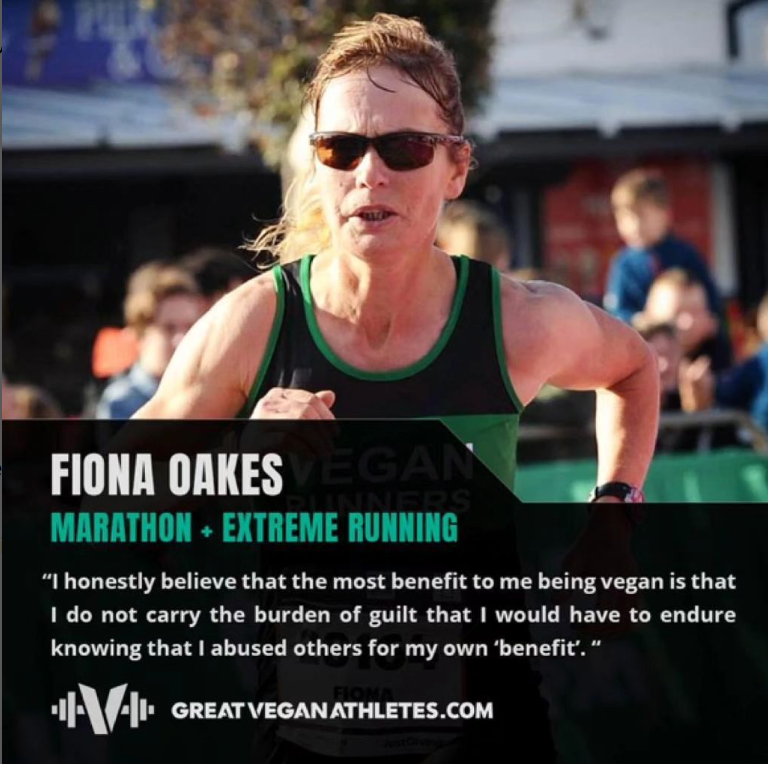
Fiona Oakes is a remarkable figure not just in the world of marathon running, but also in the realms of animal welfare and environmental activism. Unlike many athletes who transition to plant-based diets primarily for performance benefits, Oakes has been vegan since she was six years old, driven by ethical concerns for animal welfare. Her commitment to veganism is deeply intertwined with her athletic and personal identity, making her story uniquely inspirational.
Background and Athletic Achievements
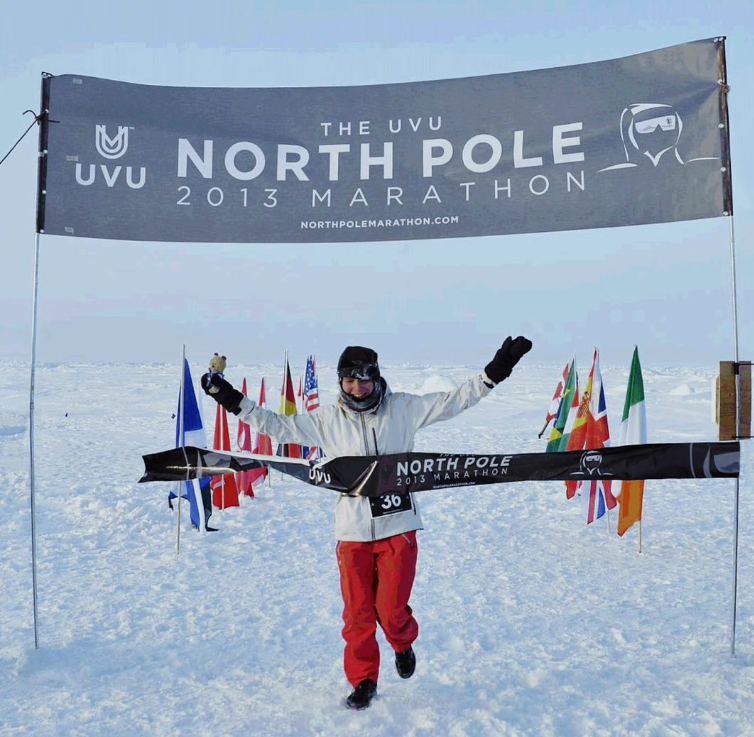
Fiona Oakes has been competing in endurance running since the early 2000s, despite having lost a kneecap to an illness when she was 17. This would be a career-ending injury for most, but for Oakes, it was merely a hurdle. She has not only completed some of the toughest marathons around the world but has also set three world records, including the fastest aggregate time for completing a marathon on each continent plus the North Pole.

Impact of the Plant-Based Diet
- Sustained Energy and Endurance: Oakes’ diet, which excludes all animal products, fuels her grueling training regimen and racing schedule. The high carbohydrate content in her plant-based diet provides long-lasting energy, which is essential for endurance sports like marathon running. Foods such as whole grains, legumes, fruits, and vegetables are staples in her diet, supplying the necessary nutrients to sustain prolonged physical activity.
- Rapid Recovery: The anti-inflammatory effects of a plant-based diet are crucial for Fiona’s recovery. The antioxidants and phytonutrients found in a vegan diet help reduce muscle soreness and speed up the recovery process, which is vital given the frequency and intensity of her races.
- Optimal Health and Lower Disease Risk: Long-term adherence to a vegan diet has been associated with numerous health benefits, including lower risks of heart disease, hypertension, type 2 diabetes, and certain types of cancer. For an athlete like Oakes, maintaining peak health is essential not just for performance, but for her demanding lifestyle, which includes managing an animal sanctuary.
- Mental and Emotional Benefits: Fiona often discusses the psychological and emotional satisfaction she derives from adhering to a vegan diet. Knowing that her lifestyle causes minimal harm to animals and the environment provides a profound sense of fulfillment and motivation, which positively impacts her mental health and overall well-being.
- Weight Management: For distance runners, maintaining a lean but strong physique is crucial for performance efficiency. A vegan diet is typically lower in saturated fats and higher in dietary fiber, which helps in maintaining a healthy body weight without sacrificing nutritional intake.
Challenges and Adaptations
Managing a rigorous training schedule while ensuring adequate intake of all essential nutrients can be challenging on a vegan diet. Fiona Oakes makes sure to consume a varied diet rich in all necessary macronutrients and micronutrients. She focuses particularly on sources of iron, calcium, and vitamin B12, which are crucial for endurance athletes and can be less readily available in a plant-based diet.
Scott Jurek: Ultra-Marathon Man
Scott Jurek is one of the most recognised ultramarathon runners in the world, known not only for his extraordinary athletic achievements but also for his advocacy of plant-based eating. Jurek’s transition to a vegan diet in 1999 was initially motivated by health and fitness goals, but over time, it also embraced the ethical and environmental aspects of veganism.
Background and Athletic Achievements
Scott Jurek’s running career includes multiple victories in gruelling races such as the Western States 100 Mile Endurance Run, which he won seven consecutive times, and the Badwater Ultramarathon, one of the world’s toughest foot races. He also set a record in 2015 for the fastest known time on the Appalachian Trail, completing it in just over 46 days.
Impact of the Plant-Based Diet
- Enhanced Endurance and Recovery: Jurek credits his plant-based diet with providing high-quality nutrients that boost his endurance and speed up his recovery. The diet’s high antioxidant content helps reduce oxidative stress and inflammation, common in ultra-endurance sports. This can lead to improved recovery times and greater resilience, both crucial for the back-to-back races and long training days typical in ultrarunning.
- Sustained Energy Levels: Plant-based foods, rich in complex carbohydrates, provide steady and sustained energy, which is essential for long-distance running. Jurek often utilises homemade plant-based energy gels and nutritious smoothies during his races to maintain energy levels.
- Optimal Health: Jurek has reported fewer colds and quicker recovery from injuries since adopting a vegan diet. Plant-based diets are known to support a healthy immune system and promote longevity, both of which are vital for a career in endurance sports.
- Mental Clarity and Focus: The clarity and focus that Jurek experiences on a plant-based diet have been integral to his mental game, especially during long and challenging races where psychological stamina is as demanding as physical endurance.
- Weight Management: Maintaining an optimal weight-to-strength ratio is crucial in ultramarathon running. The fibre-rich and nutrient-dense nature of a vegan diet helps in maintaining lean muscle mass while keeping body fat low.
Dietary Strategies
Scott Jurek’s approach to nutrition involves careful planning to ensure he gets a balanced intake of proteins, fats, and carbohydrates, as well as essential vitamins and minerals. He emphasises the importance of protein from varied sources like lentils, black beans, tofu, and tempeh, which are crucial for muscle repair and recovery. Jurek also integrates a wide array of fresh fruits and vegetables to ensure a high intake of vitamins, minerals, and other phytonutrients vital for endurance sports.
The stories of these athletes demonstrate that a plant-based diet can be effectively tailored to meet the demanding needs of various sports, from racing and tennis to football and surfing. Their experiences contribute to a growing body of evidence that plant-based diets can support and even enhance athletic performance, providing valuable insights for athletes at all levels interested in exploring how nutrition affects their health and performance.

 The Happy Diet
Leave a Reply