Are you a marathon enthusiast, a casual 5k jogger, or somewhere in between? Regardless of your running intensity or distance, hydration and electrolyte balance are key elements in your performance and recovery. Whether you’re preparing for a run, in the middle of a sprint, or winding down post-workout, proper hydration can significantly affect your outcome. Today, we’re diving into the vital role of hydration and electrolytes in running, and how to optimally hydrate pre-, during, and post-run.
Hydration and Electrolytes: Why Are They Essential?
Hydration is crucial to all of our body’s functions, from carrying nutrients to cells to maintaining a healthy body temperature. When running, the importance of hydration is magnified due to increased sweating and accelerated metabolic activity.
Electrolytes, namely sodium, potassium, calcium, and magnesium, play an equally important role. They facilitate vital bodily functions, including nerve and muscle function, pH balance, and maintaining adequate hydration levels.
Dehydration or electrolyte imbalances during running can lead to cramps, fatigue, dizziness, and in severe cases, heatstroke. Thus, replenishing these key substances is critical.
Pre-Run Hydration
Starting your run well-hydrated prepares your body for the physical exertion to come. Aim to 500ml of water 2-3 hours before your run, and another 250ml 20-30 minutes before heading out.
For long runs over an hour, consider consuming an electrolyte drink or salted snack beforehand. However, remember that pre-run hydration needs can vary depending on your body weight, the weather, and the intensity of your run.
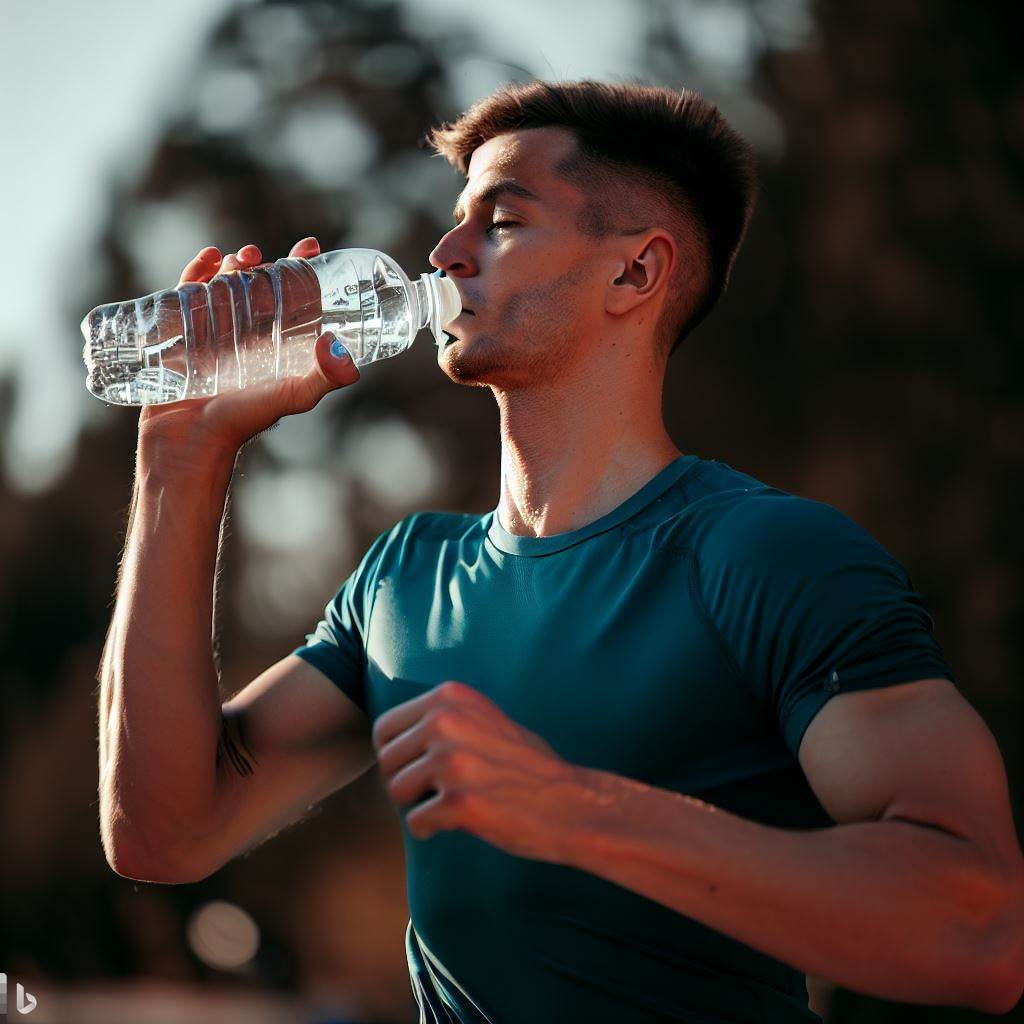
Hydration During Your Run
Once you’re pounding the pavement, hydrating becomes a balancing act. Drinking too much can lead to a condition called hyponatremia (low sodium), while drinking too little may result in dehydration.
For short runs (less than an hour), water should suffice. Aim for 120-180ml every 15-20 minutes. For longer or more intense runs, consider a sports drink containing electrolytes, or bring electrolyte tabs or gels.
Keep in mind, during hot and humid weather, you may need to increase your hydration due to increased sweating.
Post-Run Hydration
Post-run, replenishing your body’s lost fluids and electrolytes is vital. Try to consume 400-700ml of fluid for every pound lost during the run. Including electrolytes in your post-run hydration, especially sodium and potassium, will aid in recovery and preparation for your next run.
Consuming a snack or meal with sodium, potassium, and water-rich foods can also assist in recovery.
To accurately determine how much fluid you’ve lost during a run, you can weigh yourself before and after your run. Here’s a simple step-by-step guide on how to do it:
- Before your run, empty your bladder and then weigh yourself without any clothes on. Make a note of this weight in kilograms.
- Complete your run. To get the most accurate results, avoid eating or drinking anything during this period.
- After your run, towel off any sweat, empty your bladder again, and weigh yourself without clothes on, just like before.
The difference in weight is largely due to the amount of fluid you’ve lost during your run. For example, if you weighed 68 kg before the run and 67 kg after, you’ve lost one kilogram. Following the recommendation of consuming approximately 500-750 mL (0.5-0.75 L) of fluid for every kilogram lost, you should aim to consume 500-750 mL of fluid to rehydrate.
This is a rough estimate, and actual fluid needs can depend on other factors such as the climate, your running intensity, and individual differences. Always listen to your body and hydrate accordingly.

Wrapping Up
Running performance and recovery are strongly linked to proper hydration and electrolyte balance. Whether you’re a seasoned marathoner or just lacing up your running shoes for the first time, tailoring your hydration strategy to your needs, the weather, and your run intensity and duration can make all the difference.
Remember, everyone is different. Listen to your body, experiment with what works for you, and keep hydrating to fuel your success on every run.

 The Happy Diet
Leave a Reply